The Boat Builder
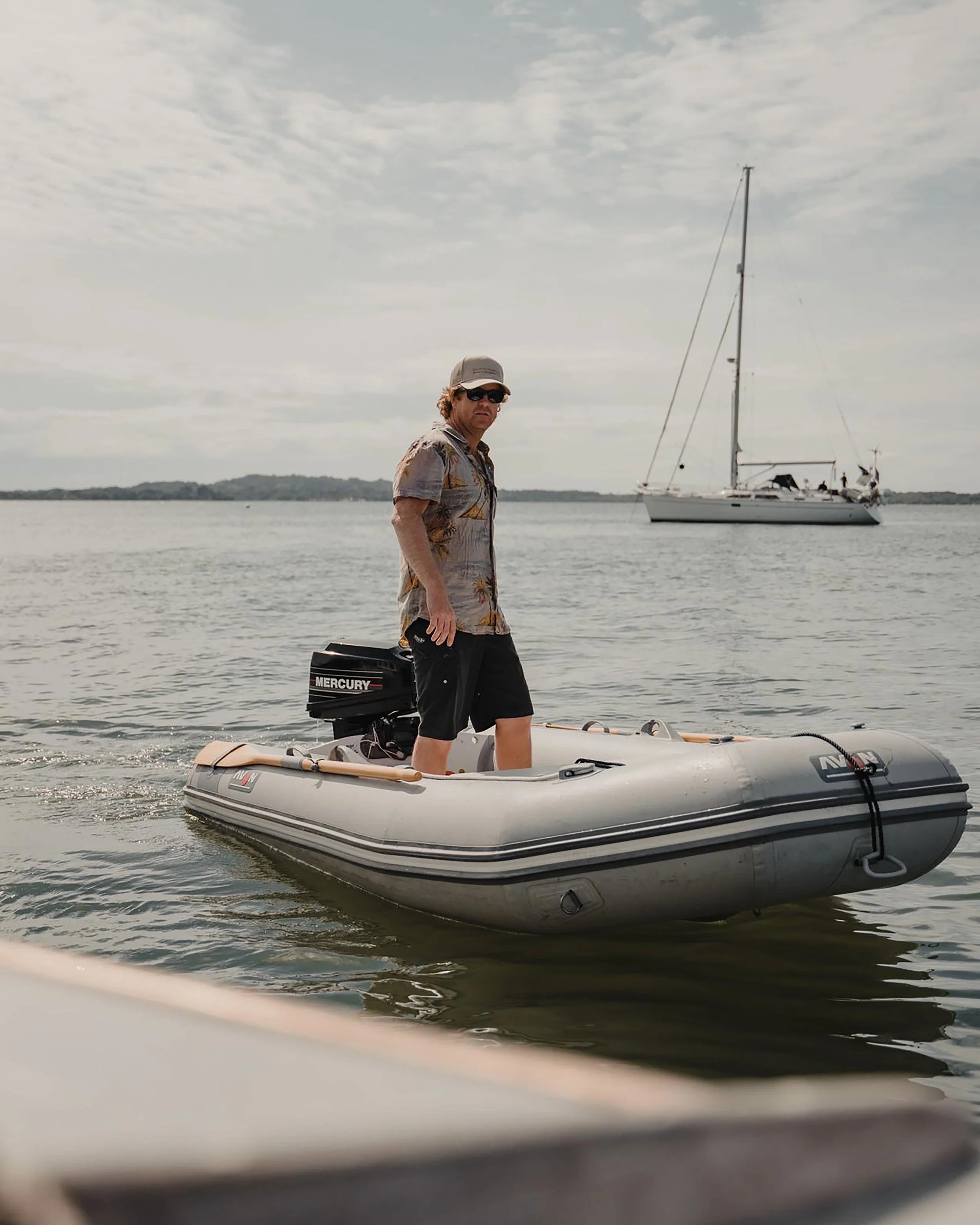
Raised amongst the wild waterways of New Zealand’s South Island, Justin Langford has spent his life chasing coastlines. What began as a childhood fascination with boats became a lifelong craft — building, restoring and reimagining vessels that carry both history and hope. Now based in Australia’s Northern Rivers, Justin is proof that some callings are written in the tide.
Article by ALICE ARMITAGe | Photography supplied
Raised amongst the wild waterways of New Zealand’s South Island, Justin Langford has always longed to traverse the earth by coastline. Along the way, he found a life’s passion in the intricate craft of boatbuilding. Boats became both vessel and teacher: a way to explore, to rebuild, to begin again. From the southern lakes of his childhood to the European harbours where he built his first live-aboard surf charter, Justin has followed the coastlines of the world with a restlessness that only the ocean can soothe.
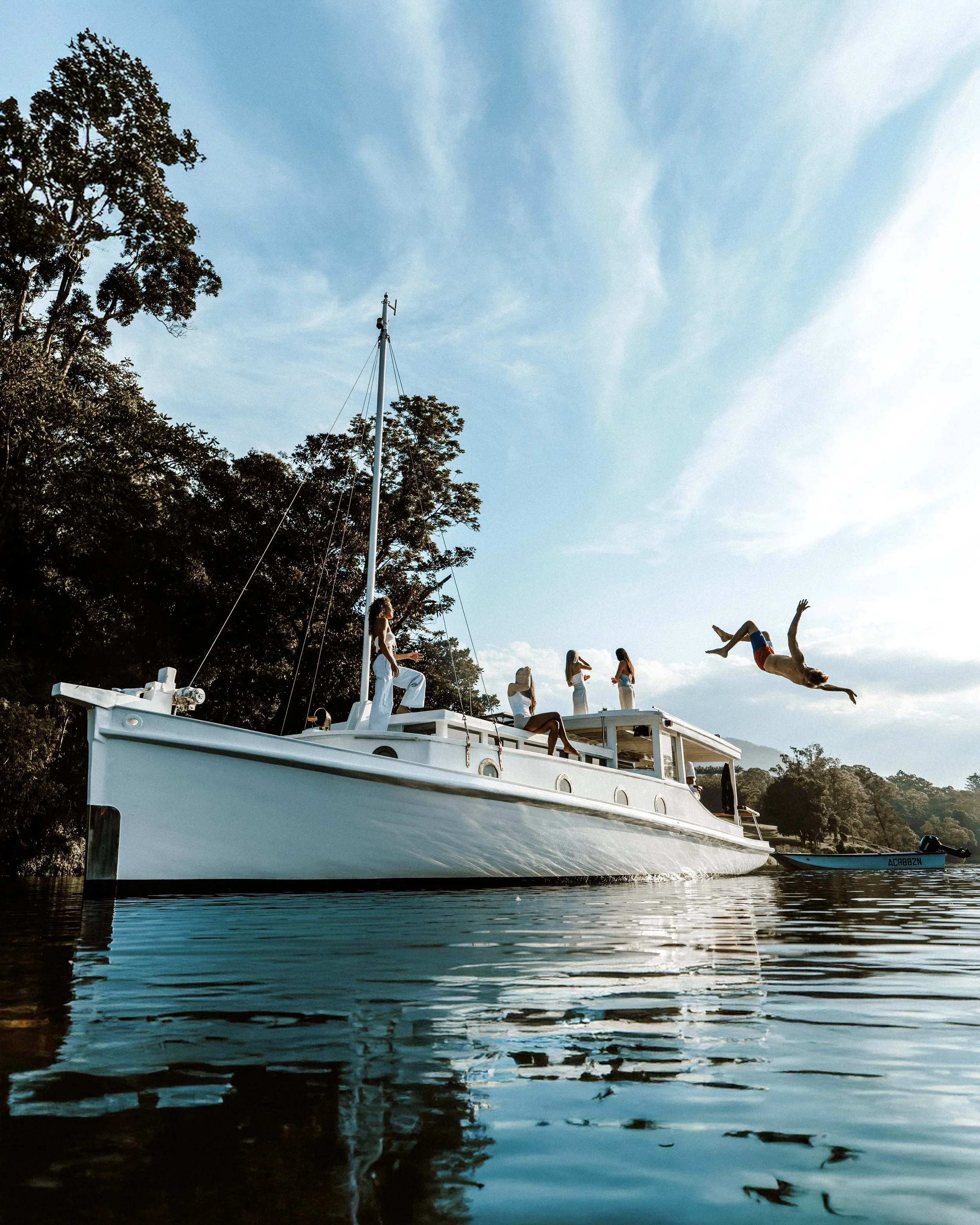
Now based in Australia’s Northern Rivers, he has turned that lifelong obsession into a craft—restoring and reimagining classic wooden boats with the care of someone who understands what it means to give something a second life. His most recent project, a 105-year-old Moreton Bay cruiser, is more than a boat; it’s a living archive of maritime history, a vessel that has carried war, cinema and memory across a century. In Justin’s hands, it becomes something else again: a reminder that patience, resourcefulness and reverence for the past still have a place in a world chasing the next new thing.
When did you fall in love with the water?
At an early age, before I can even really remember. I’m from New Zealand’s South Island — my family have lived down there for generations as farmers.And growing up, because we didn’t have phones, we didn’t have any Maccas or anything like that, we were always like, ‘What do we do?’ We’d take the boat out.I used to take the boat to school and tie up near a tree. Me, my mum and my pop were constantly on the rivers and lakes, learning how to be self-sufficient. Free diving became a big pastime of mine.As I got older, I took that southern adventure and trepid spirit and started exploring the coastlines. For me, boats were the most familiar way to do that.
Tell me about your first boat.
So I ended up in Europe, where I became a bit of an entrepreneur. I had an events company, we had a cocktail business, and instead of taking six months off—which I would normally do to go travelling—I decided to buy an old 1972 fishing boat and convert it over that winter into a live-aboard weekender–explorer surf charter vessel. That boat—The Buccaneer—gave me everything I needed. It wasn’t fast, but it could hold fifteen people, and it could get places without too much effort or worry about conditions. It got me back spending more time on the water, and with that you gain confidence. You start going: Okay, where else can I go? What can I do?
At what stage did you start to make money from it?
It happened pretty naturally from there. I had a few people see the boats I’d done up and ask if I could do something similar for them, and we ended up buying and building probably six other boats in a very similar sort of ilk. I just had an “I can do it” approach. I didn’t know a whole lot about boat builds, but I’d come to understand the process.
Would you call yourself self taught?
Yeah, it was all self-taught. I mean, I’ve obviously had a few consultants and techies along the way with fixing in diesel engines and you know, the type of materials to use and where to source, things like that. But it’s all basically just from a desire to - well, firstly, from not having the amount of money that you’re required to have to pay someone to do these kinds of technical builds. So it was like, okay, if I can’t afford to pay that, then I’ll have to just do it myself. And that’s sort of where it came about.
What brought you back to the southern hemisphere?
I was over in Europe during Covid and it was too much. I missed home. So I decided to come back to Australia. I sold the businesses, sold the boat over there, left my life over there ‘cause it was, it was time to come home. Now I live on the northern rivers and I just love it here.
Have you ever worked on a boat you couldn’t bring yourself to sell?
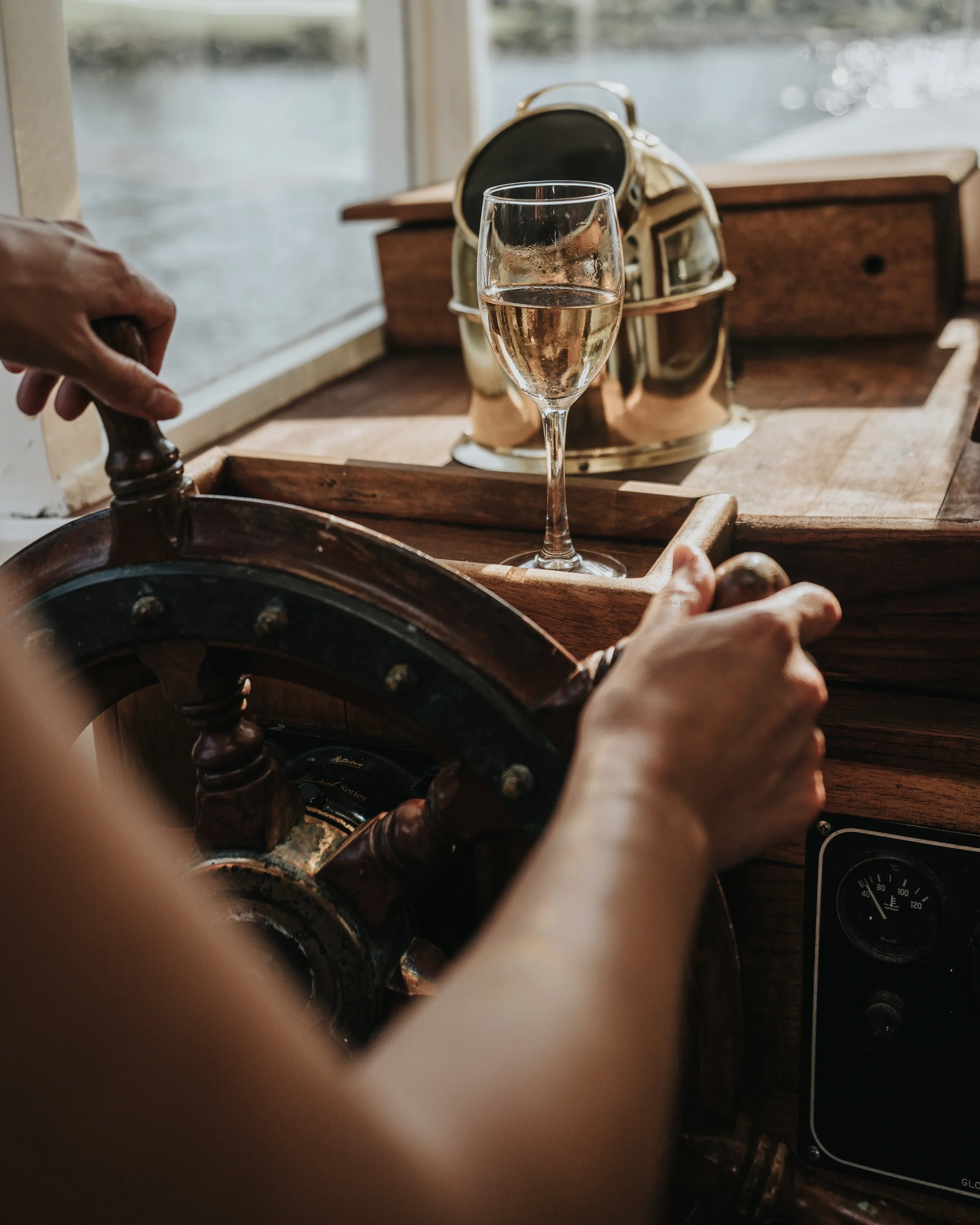
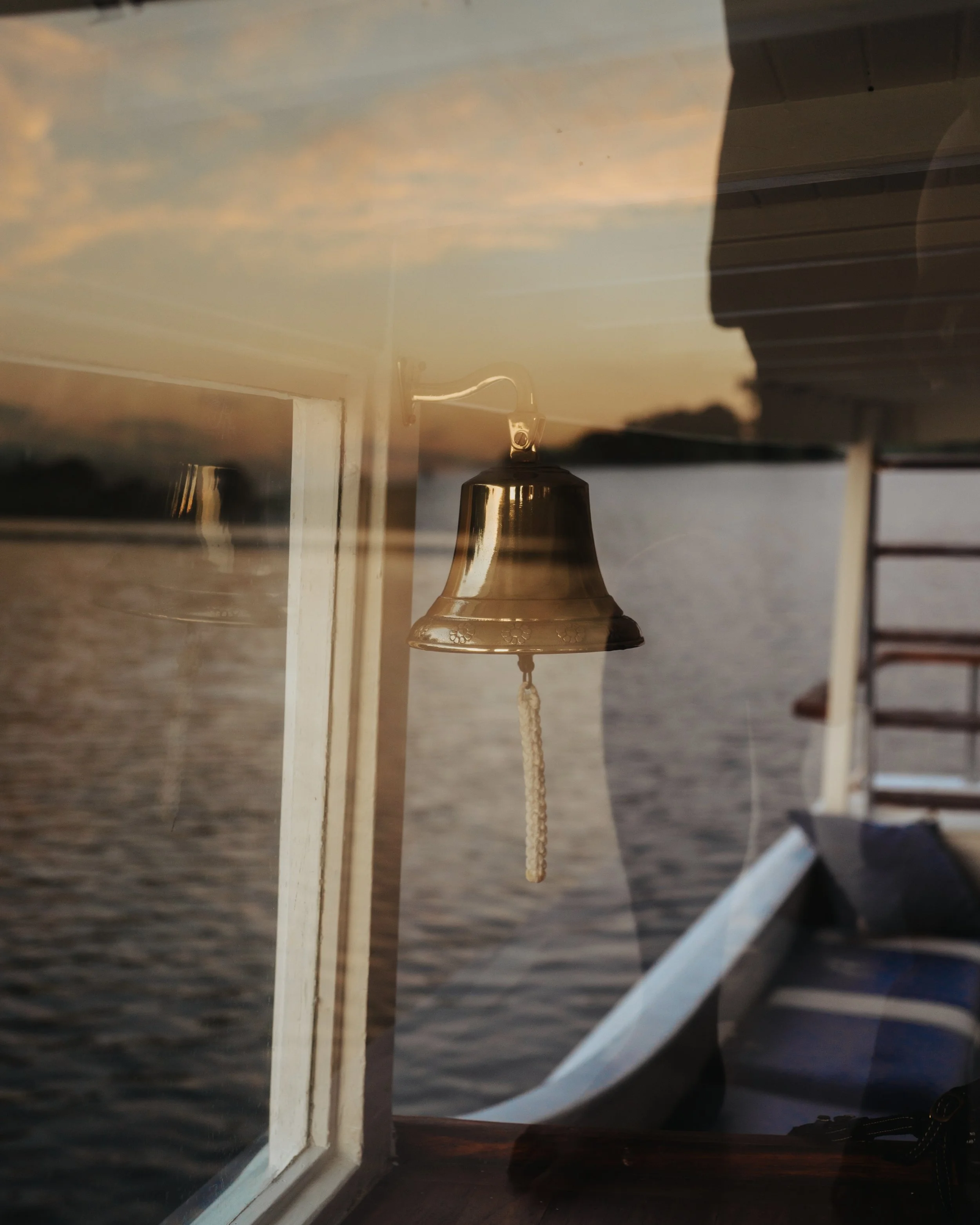
I think the closest I have ever come to that point would be with the boat I have just recently finished. It is 105 years of age, this beautiful Moreton Bay Cruiser, 41 feet. And it’s got more history on it than probably any boat in Australia. I was actually inquiring about another boat through a broker when I first came across it. The broker thought I’d be interested in taking a look at it instead. So he took me to meet its then-owner, who told me the story of how he and his best mate bought it when they were both in their seventies after admiring it for quite a few years. They’d started getting into it, doing the refit when all of a sudden the other gentleman, his friend, passed away. And in that way that often happens, he started to fall a bit out of love with it after that. He lost the attachment to the boat after losing his mate. So basically it was just rotting away and I just immediately went and picked it up.
Tell me about it, what’s it like?
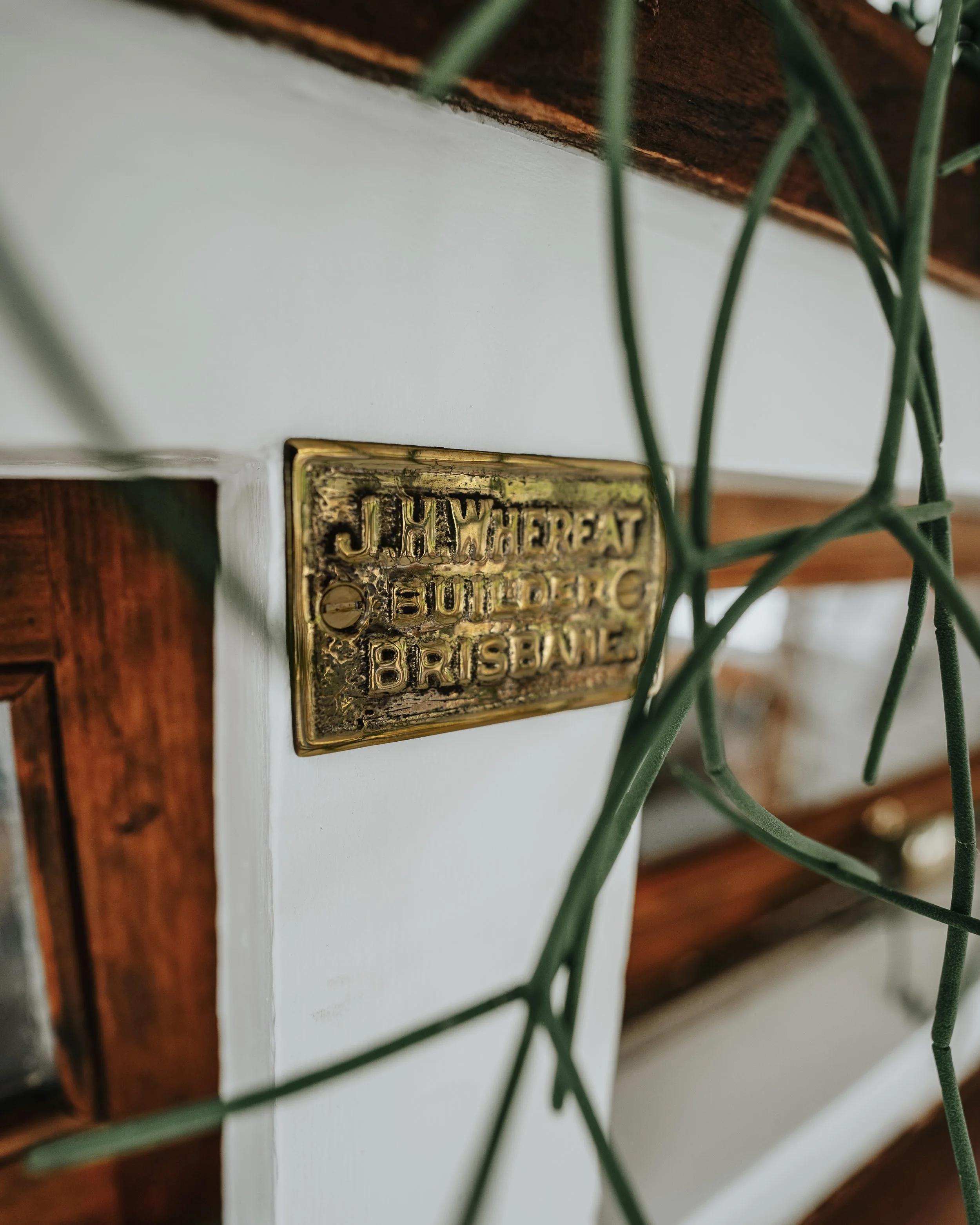
So it was built in 1920. It’s older than most houses. And it’s made out of New Zealand cedar and some Huon Pine, so it’s a proper classic Morton Bay Cruiser. Being a motor sailor means when you run down wind, you put a big sail up to help take the pressure off the engine so you get a couple more knots so you go a bit quicker, but these boats aren’t designed to go fast. They’re just very regal when they cruise the water, they don’t really push a lot of water out and they just sort of glide through it. Its original builder, JH Whereat from Brisbane, was famous for building sailing racing boats, sailing yachts, so this one as a cruiser was a bit out of his usual pace. During the war an American aircraft actually ended up crashing into the side of it and damaged it. So the US Navy pulled it out of the water, repaired it and commissioned it for use as a supply boat. Further on down the line it was used as a cinema boat. So like a boat to be used to film movies, like a prop. It’s had so many lives and I’m still finding out all it’s history. Like people, when I bring the boat to places, they’re like, ‘oh, I know a story about that boat.’ They’ll come over, we’ll have a glass of wine and they’ll tell me everything that they know about it. I feel very lucky to be the owner of this boat, to be its current custodian. And now it will continue to get passed down.
What’s changed about the boat over its lifetime?
There have been a fair few changes over the years in terms of replacing timber and things like that. But generally it’s in good nick in comparison to most boats that have been built in recent times, they won’t last fifty years, let alone 105. So it’s, it’s really testament to how things were produced back in the day.
In your restoration works, how much do you do by hand like was done back then?
I try to do as much by hand as possible, but to just to save time like sanding - I mean the gone are the days when you are using just a block to sand a whole deck. I use quite a good German sander to speed up the process.
Can you talk me through your work process? Do you follow a strict plan or is it more fluid?
I’m definitely more likely to think on the fly as a creative. There’s a terminology they use for cars. They’re called resto mods. I basically would do a resto mod of a boat where I keep the classic lines of it. I don’t change too much, just make things work better, have better materials, a better color palette. Like a lot of people, for some reason, they love using blue in boats, whereas I think that it’s a bit archaic for my own personal taste. I want to emphasise all the main components of what that boat brings to me and what that boat looks like through the water. I guess to the roundabout way to answer your question is that I like to bring out the essence of the boat from its most simplest thing, strip it back, and then I’m looking at little functional things like, ‘okay, maybe would it be better to have a wet bar on the other side for ease of sailing if you’re doing it single handedly?’ I try to always think of the ease of using the boat.
What fills your cup most when it comes to the creative process?
Oh that’s a really good question. When I’m getting stuck in and building it there’s literally blood, sweat, and tears. There’s no boat job where I don’t think ‘oh my God, what am I doing? I’ll never do this again.’ And then as soon as that boat’s on the water and I’m cruising, that feeling disappears. I really like the thought of bringing something back to life. I think because of my upbringing, I hate seeing people waste a lot. You don’t need to buy the latest, greatest thing. There are so many beautiful things that exist in the world that just get forgotten about because it’s a consumer market these days. The joy that comes with restoring a boat is just thinking the least I can do is give it another few good years of enjoyment ahead. That and the feeling when you take it out on the water. Then you’re like, ‘That was worth it, I’ll do that again.’
It’s a pretty long time period that you’re working over to get to that final feeling, do you think that your mind thanks you for that slow experience of making something with your hands?
I definitely do. And I think that little bit of forced patience helps a lot in other aspects too because no one’s gonna do anything for you in this life. Especially in terms of what you want out of life and goals and things. I had a lot of trouble from my upbringing, from a bad father and stuff like that. And when you can really focus on things, it sort of takes away from it. Also for me it’s the ocean and feeling creative. And then being appreciative of the little things that you like - that gives me a lot of direction.
What does your next project look like?
Next is a very different kind of boat actually. After I left the UK I ended up going through Central America for about six months. And over there the local fishermen have a boat called a Panga. And these boats are designed to be beached, to hit the sand at speed and go up and that’s where they dock. So it’s a very shallow [style of boat]. Basically it has a very shallow freeboard so it can sit in about five inches of water, but it has a very high dead rise, meaning it can go through surf really easily if you need it to. I really fell in love with these boats and I was surprised that they don’t make ‘em here. So that’s my plan to put them into production and do a couple of different models to try and make the ultimate day cruising boats. It’s sort of trying to change the general scope of what people think that a boat should be like. And basically just trying ways to encourage more people to be adventurous again.